
Industrial Department
- About Us
- .
Industrial Department
Engineering Excellence Behind Industrial Innovation
At ZarifTex, industrial success is built upon more than manufacturing capacity. It is the result of a systematic approach that combines technical expertise, process control, innovation, and operational excellence. The Industrial Department serves as the central platform where market requirements, engineering knowledge, quality assurance, and research capabilities converge to transform ideas into reliable industrial solutions.
Our approach is founded on the belief that sustainable industrial growth requires more than producing products it requires developing processes, technologies, and capabilities that consistently deliver performance, reliability, and value. Through close collaboration between Engineering & Technical Services, Quality Control, Research & Development, and Production, ZarifTex establishes an integrated framework capable of supporting complex industrial projects from concept to implementation.

Engineering & Technical Department
The Engineering & Technical Department plays a fundamental role in converting technical requirements into practical and manufacturable solutions. Acting as the bridge between customer expectations, production capabilities, and technological possibilities, this department provides the technical foundation for all industrial development activities.
One of its core responsibilities is reverse engineering and technical product analysis. By evaluating existing products, materials, structures, and manufacturing methods, engineering teams gain a comprehensive understanding of performance characteristics and critical design parameters. This capability supports product development initiatives, technical optimization projects, and customer-specific solutions.
The department is also responsible for conducting technical and economic feasibility studies before any new project enters production. These assessments evaluate manufacturing requirements, raw material availability, process capability, production risks, equipment suitability, operational costs, and scalability potential. Through systematic feasibility analysis, ZarifTex minimizes uncertainty and establishes a clear path toward successful industrialization.
Engineering teams work closely with production units to design, optimize, and continuously improve manufacturing processes. Production parameters, workflow efficiency, resource utilization, and process stability are constantly monitored and refined to ensure consistent performance and operational excellence.
By integrating technical expertise with practical manufacturing knowledge, the Engineering & Technical Department ensures that innovation remains achievable, scalable, and economically viable.
Quality Control Department
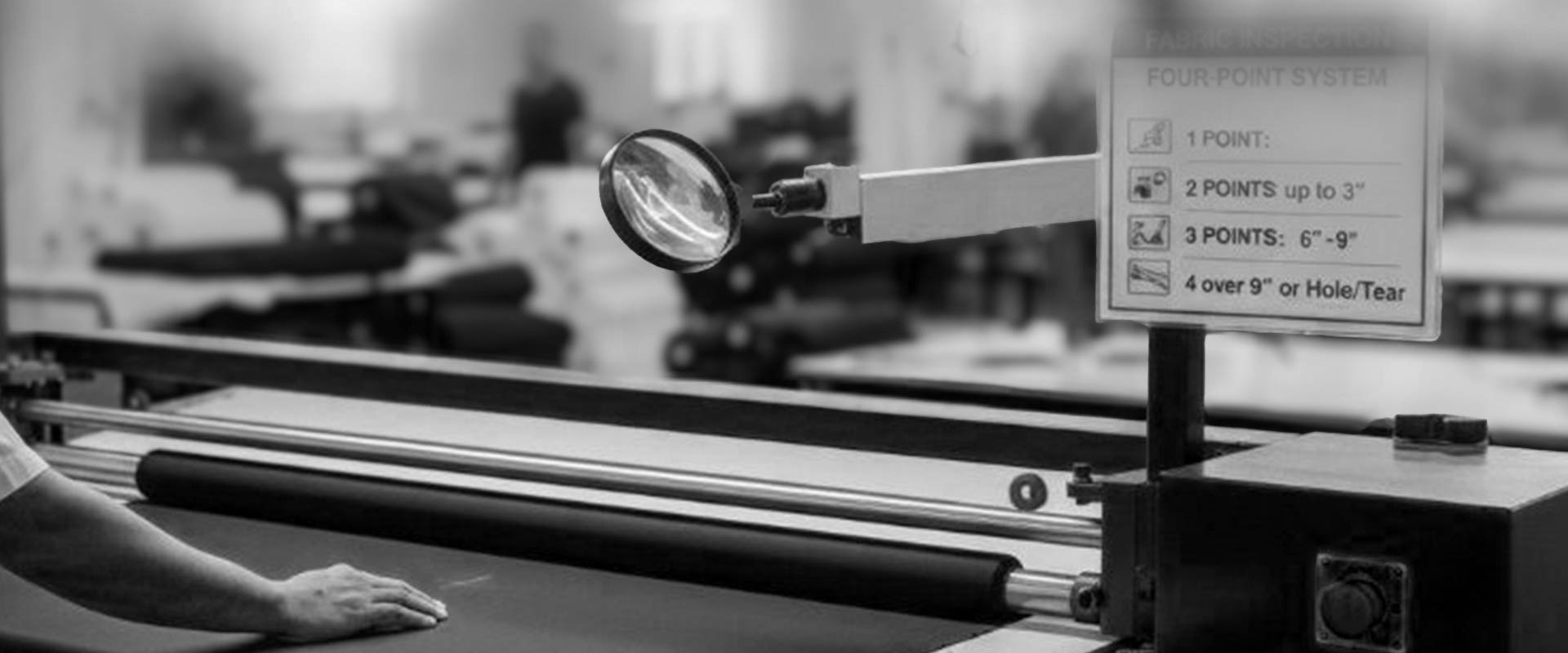
Quality is not viewed as a final inspection activity; it is embedded throughout the entire manufacturing process. The Quality Control Department is responsible for establishing, maintaining, and continuously improving systems that ensure consistency, reliability, and compliance across all operations.
Quality assurance begins with incoming material verification. Every raw material entering the manufacturing process is evaluated according to predefined specifications and acceptance criteria. This critical stage helps eliminate variability at the source and creates a strong foundation for stable production performance.
Throughout manufacturing, in-process quality control activities monitor critical parameters, process conditions, and product characteristics. Continuous inspections, testing procedures, and verification protocols ensure that production remains aligned with established standards and technical requirements.
Finished products undergo comprehensive evaluation before approval and release. Laboratory testing, performance verification, dimensional analysis, and compliance assessments provide objective confirmation that products meet both internal specifications and customer expectations.
Beyond inspection and testing activities, the Quality Control Department actively collaborates with engineering, production, and R&D teams to identify root causes, implement corrective actions, reduce process variation, and support continuous improvement initiatives. This proactive approach strengthens manufacturing reliability while fostering a culture of operational excellence throughout the organization.
Research & Development
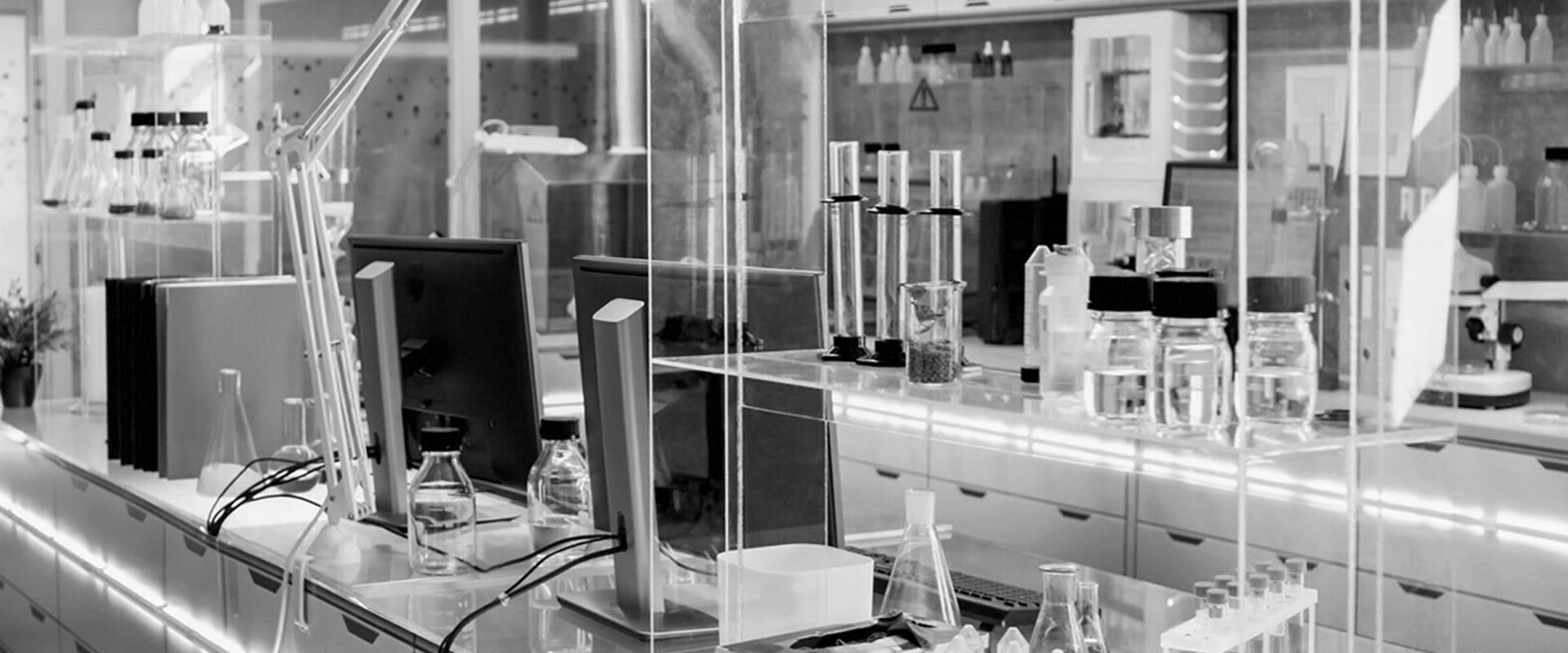
The Research & Development Department serves as the driving force behind innovation and long-term competitiveness. Its mission is to explore new opportunities, improve existing technologies, and develop future-ready solutions capable of responding to evolving industrial challenges.
R&D activities focus on material research, process development, performance enhancement, manufacturing optimization, and technological innovation. Through systematic experimentation, technical evaluation, and data-driven analysis, the department continuously seeks opportunities to improve efficiency, functionality, durability, and sustainability.
Research projects are closely aligned with market requirements and emerging industry trends. By evaluating new technologies, advanced materials, and innovative manufacturing approaches, the department supports the development of solutions that create long-term value for both customers and the organization.
An important responsibility of the R&D team is facilitating the transition from concept to industrial implementation. New ideas are validated through structured testing programs, refined through engineering analysis, verified through quality assessment, and ultimately integrated into stable production environments.
This continuous cycle of innovation enables ZarifTex to remain agile, competitive, and prepared for future industrial demands.
Integrated Development Process
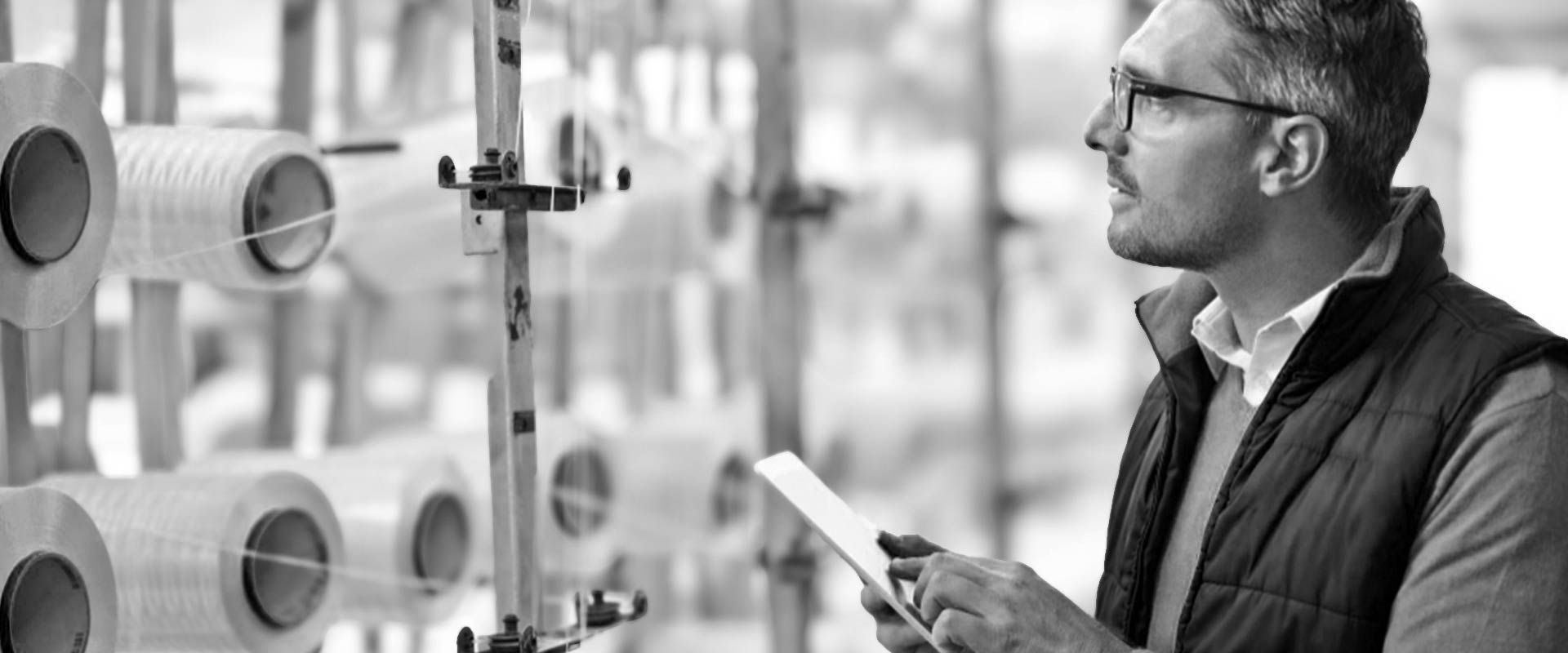
The true strength of ZarifTex Industrial Department lies in the seamless interaction between Engineering, Quality Control, Research & Development, and Production.
Engineering transforms requirements into manufacturable solutions. Quality Control ensures consistency, compliance, and process stability. Research & Development drives innovation and continuous improvement. Production converts technical knowledge into scalable industrial output.
Together, these functions create an integrated industrial ecosystem capable of transforming market opportunities into reliable manufacturing solutions. This collaborative structure allows ZarifTex to deliver technical excellence, operational efficiency, and sustainable value while continuously adapting to the evolving needs of modern industry.
Through this unified approach, the Industrial Department serves not only as a manufacturing support function but as a strategic contributor to innovation, quality leadership, and long-term industrial growth.